When Ships Arrive and Nobody Is Ready: The Scheduling Breakdown Draining Shipper Budgets
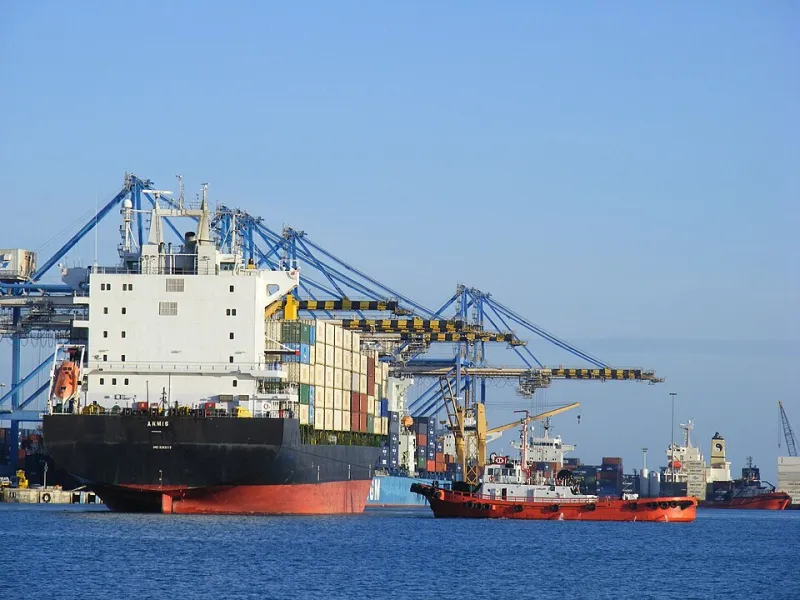
Photo: Felix O, CC BY-SA 2.0, via Wikimedia Commons
There is a persistent assumption in maritime logistics that once a vessel reaches port, the hard work is largely finished. The ocean crossing is complete, the cargo is intact, and delivery is imminent. In practice, arrival at anchorage is frequently where a new set of problems begins—problems that can stretch a one-day delay into a five-day operational failure with consequences that ripple well beyond the dock.
For US shippers managing time-sensitive cargo, the misalignment between vessel arrival windows, berth availability, warehouse receiving schedules, and trucking capacity has become one of the most quietly expensive inefficiencies in the supply chain. Unlike port congestion or weather disruptions, which are visible and widely reported, scheduling conflicts tend to accumulate in the background—each individual gap appearing manageable until the combined effect produces delays measured not in hours but in days.
The Anatomy of a Scheduling Failure
Consider a standard scenario playing out at multiple US container ports on any given week. A vessel arrives within its estimated arrival window—a reasonable outcome by maritime standards—but the assigned berth is still occupied by a ship that ran two days behind schedule. The arriving vessel anchors and waits. By the time it berths, the terminal's crane crew shift has turned over, slowing discharge throughput. The containers that were supposed to be available for pickup by Tuesday afternoon are not cleared until Thursday morning.
The trucking carrier, which had allocated drivers and equipment based on the original schedule, has since reassigned those assets to other loads. Rescheduling takes another 24 to 36 hours. The warehouse receiving dock, which operates on a strict appointment system and had allocated labor for a specific delivery window, cannot absorb the shipment until the following Monday. What began as a vessel arriving nominally on time has produced a six-day delay at final delivery.
This is not a hypothetical edge case. Supply chain analysts and freight operations managers describe variations of this scenario as routine. The core issue is structural: each segment of the maritime-to-land handoff operates on its own scheduling logic, and those systems rarely communicate with one another in real time.
Where the Coordination Breaks Down
The disconnection between maritime scheduling and land-side operations has several distinct failure points, each of which compounds the others.
Berth window uncertainty is the first and most consequential. Vessel ETAs carry inherent variability driven by weather, port congestion at prior stops, and canal transit delays. Terminals typically assign berth windows based on projected arrivals, but when multiple vessels adjust their schedules simultaneously—a common occurrence following weather events or route disruptions—the queuing sequence collapses. Carriers often lack the real-time visibility into terminal berth occupancy that would allow them to adjust approach speed or staging decisions proactively.
Warehouse receiving rigidity adds a second layer of friction. Distribution centers and fulfillment warehouses, particularly those serving retail and e-commerce clients, operate on appointment-based receiving systems designed to manage labor costs and dock utilization. These systems are calibrated for predictability. A shipment that misses its receiving appointment by 48 hours does not simply slide into the next available slot—it enters a queue that may not clear for several additional days, particularly at high-volume facilities during peak periods.
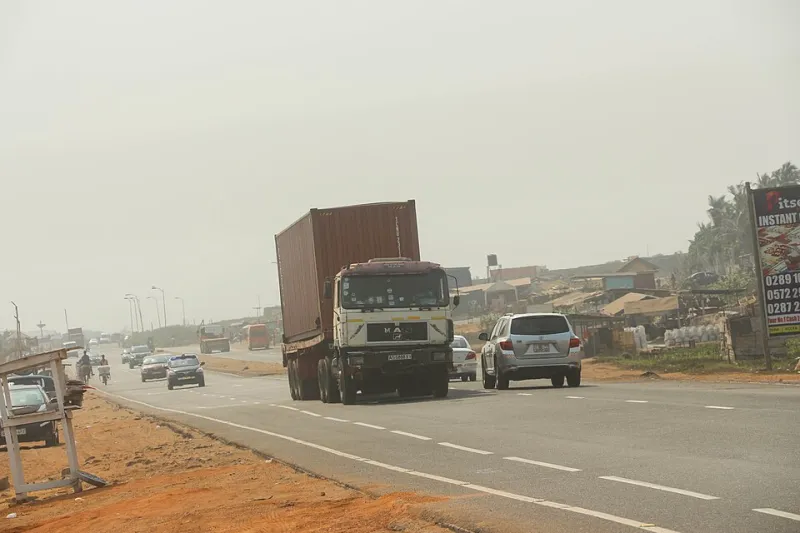
Trucking availability represents a third pressure point. Drayage capacity at major US ports is not a fixed resource that can be summoned on demand. Owner-operators and regional carriers manage their schedules days in advance. When container availability shifts unpredictably, the cost of repositioning equipment and drivers—or the delay of waiting for capacity to free up—falls directly on the shipper.
The Financial Exposure Is Larger Than It Appears
The direct costs of scheduling misalignment are measurable: demurrage fees for containers left on terminal beyond free time, detention charges for trucks waiting at facilities, expedited freight costs when shippers attempt to recover lost time, and labor charges for warehouse receiving appointments that must be rescheduled. For a mid-sized importer managing several hundred containers per month, these charges can accumulate to tens of thousands of dollars in a single quarter without triggering any single event large enough to prompt a formal review.
The indirect costs are harder to quantify but frequently more significant. Retail buyers operating on planogram cycles or promotional calendars absorb inventory shortfalls that translate into lost sales. Manufacturers relying on just-in-time component delivery face production slowdowns. Distributors managing customer service level agreements face penalty clauses when fill rates drop. The scheduling failure that originated at the berth window ultimately manifests as a revenue problem several steps removed from the port.
What Smarter Operators Are Doing Differently
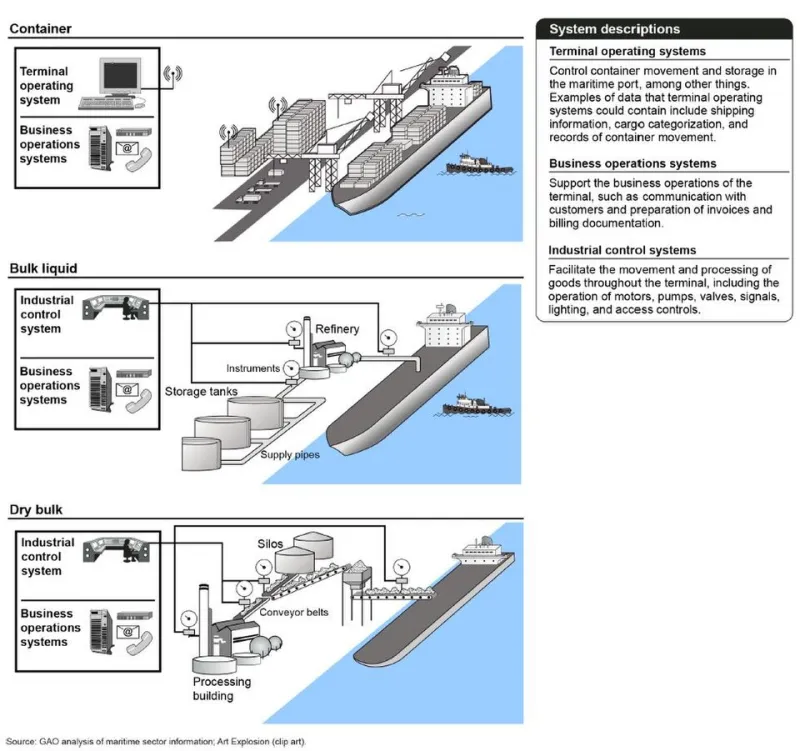
A segment of the carrier and logistics community has begun addressing this coordination gap through integrated scheduling platforms that connect vessel tracking data, terminal operating systems, warehouse management software, and trucking dispatch tools into a single operational view.
The functional premise is straightforward: if a vessel's revised ETA is updated in real time, that update should automatically trigger a rescheduling cascade—adjusting berth reservation requests, notifying the warehouse of a revised delivery window, and alerting the drayage carrier to hold or release equipment accordingly. The technology to support this kind of integration exists and is increasingly accessible to mid-market operators, not just the largest global carriers.
Several third-party logistics providers serving US trade lanes have built proprietary coordination layers on top of existing port community systems, using API connections to terminal operating platforms and transportation management systems. Early adopters report meaningful reductions in detention and demurrage exposure and, more significantly, improvements in warehouse appointment compliance rates—a metric that has a direct bearing on distribution center relationships and downstream delivery performance.
Port authorities at facilities including the Port of Long Beach and the Port of Savannah have also expanded access to real-time vessel and terminal data through digital port platforms, giving logistics operators more reliable inputs for scheduling decisions. The data is available; the challenge remains building the operational workflows to act on it systematically.
The Integration Imperative
The maritime industry has invested heavily in vessel efficiency, terminal automation, and freight visibility tools over the past decade. What has lagged is the connective layer that ties those investments together across the maritime-to-land boundary. A vessel that arrives on schedule, discharges efficiently, and clears customs promptly still fails the shipper if the land-side receiving chain is not synchronized to receive it.
For US shippers and logistics operators, the practical implication is clear: scheduling coordination can no longer be treated as an administrative function managed through phone calls and email threads. The complexity of modern port operations—multiple vessel calls, dynamic berth allocation, appointment-based warehousing, and constrained drayage capacity—demands a more systematic approach.
The operators who close the maritime-to-land scheduling gap first will not simply reduce delay. They will convert a chronic source of cost and customer friction into a measurable competitive advantage. In a trade environment where margins are thin and shipper expectations are rising, that advantage is worth pursuing with deliberate urgency.