Lost in Transit: The Costly Cargo Theft Crisis Haunting America's Port-to-Warehouse Corridor
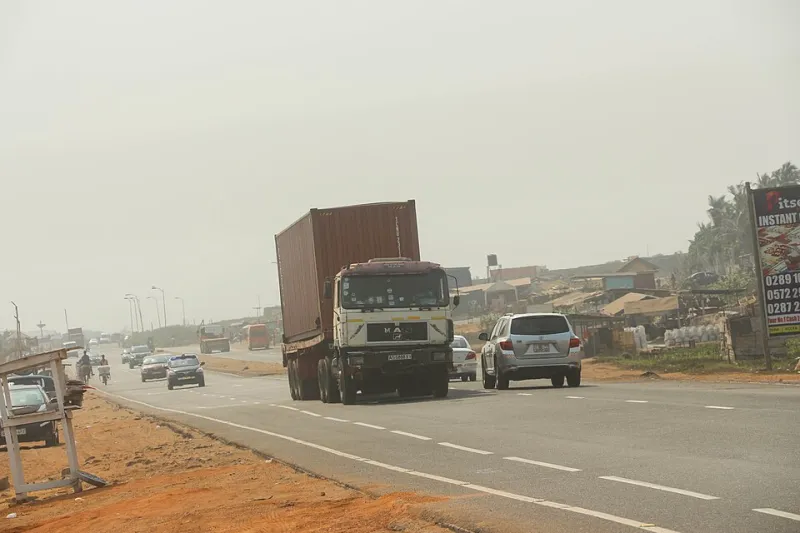
Photo: SAgbley, CC BY-SA 4.0, via Wikimedia Commons
For all the investment poured into terminal automation, berth scheduling software, and vessel tracking systems, a surprisingly primitive problem continues to bleed billions from American supply chains every year. Cargo—legally imported, properly documented, and physically present at the port—simply disappears before it reaches its destination warehouse. No weather event. No vessel incident. No customs complication. It vanishes in the gap.
According to data compiled by the CargoNet theft tracking network, supply chain theft in the United States cost shippers an estimated $223 million in reported losses in 2023 alone—a figure that industry analysts widely acknowledge represents only a fraction of actual losses, since a significant share of pilferage and short-shipment events go unreported or are absorbed as shrinkage. The stretch of the supply chain most vulnerable to this attrition is neither the vessel nor the warehouse. It is the staging zone in between: the drayage corridor, the container yard, the transload facility, and the first- and last-touch handoff points where accountability tends to dissolve.
Where Accountability Goes Dark
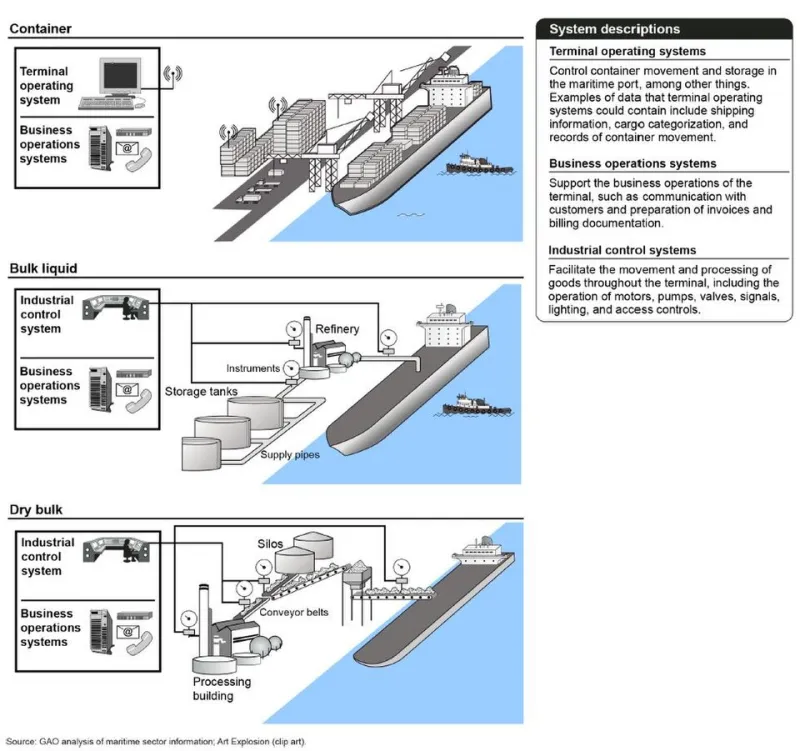
The structural problem is one of jurisdictional ambiguity. Once a container clears the terminal gate, it transitions from the port authority's operational domain to a patchwork of drayage contractors, third-party transloaders, and warehouse receiving teams—each with their own documentation protocols, surveillance standards, and liability thresholds. The result is a chain of custody that frequently contains critical gaps.
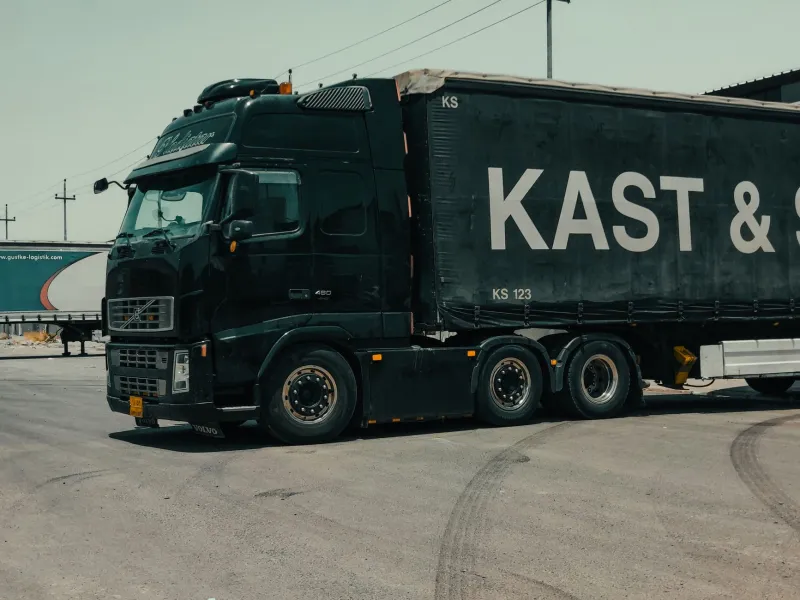
Drayage, in particular, presents an elevated exposure window. Trucks hauling containers from major port complexes—Los Angeles, Long Beach, Savannah, Houston, and New York/New Jersey among the highest-risk corridors—often make intermediate stops at fuel stations, rest areas, or staging lots where containers sit unattended for hours. These stops are rarely logged with precision, and the containers themselves are seldom equipped with active monitoring devices. For organized theft rings, which have grown increasingly sophisticated in their targeting of high-value freight categories such as electronics, pharmaceuticals, and consumer goods, these unmonitored intervals represent predictable opportunities.
Transload facilities—where ocean containers are broken down and cargo is transferred to domestic trailers or palletized for warehouse distribution—introduce a second vulnerability layer. Inventory discrepancies discovered at this stage are notoriously difficult to attribute. Did the shortage occur on the vessel? At the terminal? During drayage? At the transload dock itself? Without granular, timestamped tracking at each handoff, shippers are left filing insurance claims based on incomplete evidence and absorbing losses that could, in theory, have been prevented.
The Technology Response
A growing cohort of carriers and logistics service providers is moving to address this blind spot through real-time location tracking deployed at the container and pallet level. GPS-enabled smart lock devices, now available from vendors including Samsara, Tive, and Controlant, allow shippers to monitor container location continuously from port gate to warehouse receiving dock. More advanced configurations layer in shock and tamper sensors, alerting operations teams the moment a container is opened outside of an authorized location or experiences an anomalous physical event.
The adoption curve, however, remains uneven. Large-volume beneficial cargo owners and sophisticated third-party logistics providers have moved relatively quickly to integrate these tools into their standard operating procedures. Mid-tier shippers—particularly those managing lower-value freight categories where the per-unit economics of tracking hardware are harder to justify—continue to operate with minimal visibility through the drayage and transload phases.
Blockchain-based chain-of-custody platforms are also gaining traction among operators seeking an immutable record of handoff events. By requiring each party in the handoff sequence—terminal operator, drayage driver, transloading crew, warehouse receiver—to digitally confirm receipt and condition at each transfer point, these systems create an evidentiary record that both deters theft and simplifies loss attribution when incidents do occur.
Staffing Protocols and the Human Factor
Technology alone does not resolve the problem. Industry security consultants consistently emphasize that cargo theft in the port-to-warehouse corridor is as much a human vulnerability as a technological one. Background screening gaps in drayage contractor networks, inconsistent driver verification at terminal gates, and inadequate supervision at transload facilities all create conditions that bad actors—including inside participants—are able to exploit.
Several large freight operators have responded by implementing stricter vetting requirements for drayage partners, including mandatory criminal background checks, carrier identity verification through tools such as FMCSA's SAFER database, and real-time driver identity confirmation at pickup. Some shippers have moved to preferred carrier networks that limit drayage to a vetted pool of contractors rather than accepting lowest-bid assignments through open load boards—a practice that, while cost-effective on paper, has proven to facilitate cargo identity fraud and double-brokering schemes that expose freight to theft risk.
At the transload and warehouse level, dual-custody receiving protocols—requiring two staff members to verify inbound container contents against manifest documentation—have demonstrated measurable reductions in pilferage rates at facilities that have adopted them. The operational overhead is modest, and the deterrent effect on opportunistic internal theft is well-documented.
Partnership Models Reducing Corridor Risk
Perhaps the most structurally significant development in corridor security is the emergence of integrated port-to-warehouse service models in which a single logistics provider assumes continuous custody and accountability from terminal gate to final delivery confirmation. By eliminating the handoff points at which accountability traditionally transfers—and liability traditionally blurs—these integrated providers remove the ambiguity that theft rings and opportunistic pilferage depend upon.
Several major third-party logistics firms operating in high-volume import corridors have begun marketing precisely this continuity of custody as a premium service differentiator. For shippers of high-value goods, the cost premium associated with these integrated arrangements is frequently offset by reductions in cargo insurance premiums and the elimination of loss-related claims processing costs.
Port authorities in key US gateway cities are also beginning to engage more directly with the corridor security problem. The Port of Los Angeles and the Port of Long Beach have both expanded their outreach to regional law enforcement agencies and cargo theft task forces, and several terminal operators have invested in enhanced perimeter surveillance and exit gate verification systems designed to reduce the frequency of fraudulent container pickups—a theft method that has increased sharply in recent years.
The Cost of Inaction
For logistics and operations professionals managing US import flows, the corridor theft problem is not an abstract risk—it is a recurring line item on the loss ledger. The question is no longer whether the port-to-warehouse gap represents a material vulnerability. It demonstrably does. The more pressing question is whether the industry will treat it with the same urgency it has applied to vessel tracking, terminal automation, and customs compliance.
The tools to close this gap are available. The operational protocols are established. What remains is the organizational will to deploy them systematically across the full handoff sequence—and the recognition that cargo arriving at the terminal gate has not yet arrived at its destination.