When Smarter Systems Create Slower Ports: The Unintended Consequences of Rapid Automation
The pitch from port technology vendors is compelling and, on its surface, difficult to argue with: invest in automated terminal equipment, deploy intelligent gate systems, integrate real-time data platforms, and watch throughput climb while labor costs fall. It is a narrative that has driven hundreds of millions in capital expenditure across US terminals over the past decade. Yet a growing number of port operators are quietly acknowledging an uncomfortable reality — their automation investments are generating new operational friction rather than eliminating existing friction.
This is not a story about technology failing in a laboratory sense. The equipment generally works. The software generally runs. The problem is more systemic and, in many respects, more difficult to fix: advanced systems deployed in isolation, without adequate integration planning, workforce preparation, or infrastructure compatibility assessments, are producing bottlenecks that did not exist before the technology arrived.
The Integration Gap No Vendor Puts in the Brochure
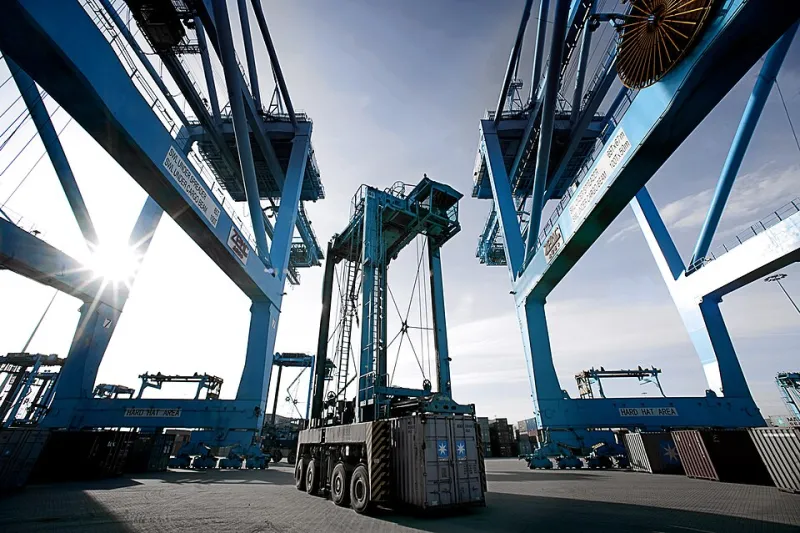
Consider the scenario playing out at several mid-sized US container terminals. A port authority approves funding for an automated stacking crane system, citing productivity benchmarks from a European or Asian reference terminal. The equipment is installed, the ribbon is cut, and the press release goes out. Eighteen months later, operations managers are quietly managing a yard that moves containers more slowly than it did under the previous manual system.
The culprit is rarely the crane itself. More often, it is the failure to account for how that crane communicates — or fails to communicate — with the terminal operating system already in place, the trucking appointment software used by drayage operators, and the vessel planning tools deployed by calling carriers. When these systems were procured at different times from different vendors, they frequently speak different data languages. The automated crane is waiting for instructions that the TOS cannot deliver in a compatible format. The result is idle equipment, frustrated truck drivers idling at gate queues, and vessel departures delayed by a yard that cannot confirm load sequences fast enough.
"Integration is almost always the hardest part, and it is almost always underbudgeted," said one operations director at a Gulf Coast terminal who asked not to be identified by name. "Every vendor will tell you their system integrates with everything. What they mean is that integration is technically possible. What they do not tell you is how long it takes, how much it costs, and how much it disrupts your existing operation while you are working through it."
Workforce Readiness: The Human Variable That Gets Underestimated
Beyond the technical integration challenge lies a workforce dimension that receives far less attention in automation feasibility studies. The assumption embedded in many terminal automation business cases is that retraining existing staff is a manageable line item — a few weeks of vendor-led instruction and the workforce transitions smoothly from operating forklifts to monitoring control room dashboards.
The reality at US terminals has proven considerably more complicated. Longshore workers and equipment operators who have spent careers developing physical, tactile expertise in container handling are being asked to shift to roles that demand data literacy, systems monitoring, and rapid diagnostic thinking. These are not trivial skill transfers, and the timeline required to develop genuine proficiency is frequently longer than automation rollout schedules allow.
The consequence is a competency gap that shows up in operational performance. When an automated system encounters an exception — a container in the wrong position, a sensor misread, an unexpected vessel arrival sequence — it requires a human operator who understands both the physical terminal environment and the digital system well enough to intervene effectively. Terminals that have rushed their workforce transition are finding that their people can operate the system in routine conditions but struggle to manage exceptions efficiently. And in port operations, exceptions are not rare events. They are a daily reality.
The International Longshore and Warehouse Union and other labor organizations have raised these concerns in contract negotiations and public forums, arguing that workforce development funding should be a mandatory component of any automation capital plan. Several port authorities are beginning to agree, though the shift in approach is uneven across the industry.
Mid-Sized Terminals Face a Distinct Set of Risks
The automation conversation in US maritime media tends to focus on the nation's largest container ports — Los Angeles, Long Beach, New York/New Jersey — where the scale of operations can theoretically absorb the turbulence of a difficult technology transition. Mid-sized terminals, however, face a different risk profile.
A port handling two to four million TEUs annually does not have the operational redundancy to absorb a multi-month integration failure without material impact on carrier relationships and cargo diversion decisions. Shippers and ocean carriers evaluating port calls are watching dwell times and gate turn times closely. A terminal that was competitive before automation but becomes unreliable during a troubled implementation may lose call commitments that are difficult to recover.
Funding constraints compound the problem. Mid-sized ports often secure automation capital through grant programs, bond financing, or public-private partnerships that come with implementation timelines tied to political or fiscal cycles rather than operational readiness assessments. The pressure to show results by a specific date can push terminals to go live before the integration work is complete and before the workforce is fully prepared.
What a Realistic Automation Roadmap Actually Looks Like
Port technology consultants and terminal operators who have navigated successful automation deployments consistently point to several practices that distinguish productive implementations from troubled ones.
First, integration architecture should be designed before equipment is selected, not after. Understanding how a new system will communicate with existing TOS platforms, carrier EDI connections, and trucking appointment systems is a prerequisite for vendor selection, not an afterthought.
Second, phased deployment with genuine operational checkpoints — rather than phased deployment driven by budget disbursement schedules — allows terminals to identify integration problems at limited scale before they propagate across the full operation.
Third, workforce transition planning should be treated as a capital investment, not an operating expense. Terminals that have allocated meaningful funding to competency development programs, including partnerships with community colleges and maritime training institutes, report faster time-to-proficiency and lower rates of operational exception incidents.
Finally, technology procurement decisions should include contractual provisions for integration support, not just equipment warranty coverage. The vendor relationship should extend through the integration lifecycle, with performance benchmarks tied to actual throughput outcomes rather than equipment installation milestones.
The Competitive Stakes Are Real
None of this is an argument against port automation. The long-term productivity and safety case for well-implemented terminal technology remains strong, and US ports that fail to modernize will face genuine competitive disadvantage relative to international peers. The argument, rather, is for a more disciplined and honest approach to implementation planning.
The terminals that will emerge from the current automation cycle in the strongest competitive position will not necessarily be those that moved fastest. They will be those that moved with the most deliberate attention to the integration, workforce, and operational continuity variables that determine whether advanced technology actually delivers the throughput improvements that justified the investment. In maritime logistics, as in most complex operational environments, the difference between a competitive advantage and an expensive lesson often comes down to execution quality rather than the technology itself.